Many small and mid-sized companies in Germany, Austria and Switzerland face the same problem: digital projects cannot wait, good developers are scarce and expensive, and the in-house IT team is busy keeping the lights on. Nearshoring is one answer. Next to Eastern Europe and Portugal, Egypt is mentioned more and more often. This article explains why, and what to look out for.
Why Egypt?
One hour of time difference
Cairo is zero to one hour ahead of Berlin, depending on the season. Your team and ours work at the same time: a question asked in the morning is answered in the morning, not the next day. That is the biggest difference from offshore models in Asia.
Many experienced developers
Egypt trains a large number of computer science graduates every year. Many experienced developers have worked for clients in Europe and the Gulf for years, with the same tools and methods as teams in Germany.
Fair rates
Day rates are well below those of German freelancers and agencies. More important than the rate is what you get for it: a result, not just hours.
Arabic included
If you sell into the Middle East, you get interfaces, websites and content in Arabic, from people who know the language and the market.
What to look out for
Nearshoring rarely fails on technology. It fails on collaboration. Check every partner, including us, on these points:
- Ownership of the result. Do you get a proposal with scope, milestones and acceptance criteria, or only an hourly rate?
- Senior people you talk to. Do you speak with the people building your system, or with a salesperson who forwards messages?
- Regular demos. Do you see working software every week, not just status reports?
- Data protection. Is there a data processing agreement, role-based access and, if you want it, EU hosting?
- Ownership of the code. Is the code yours once paid for, and does it live in a repository you can access?
- Documentation. Can your own team or another provider carry on later?
GDPR in practice
Egypt is not in the EU, so personal data has to be handled carefully. In practice that means: a data processing agreement is signed before any data is shared; development uses test data instead of real customer data; the system runs in EU data centres; and access to real data is limited to what is needed and logged. The legal details are best confirmed with your data protection officer.
How working with NOVA goes
- Brief. You describe, in English or German, what is slow or missing today.
- Short video call. We ask questions and look at how the work is done now.
- Written proposal. Scope, milestones, acceptance criteria and a price in euros.
- Weekly demos. You see progress and decide with us.
- Handover and running it. Code, documentation and, if you want, hosting and support.
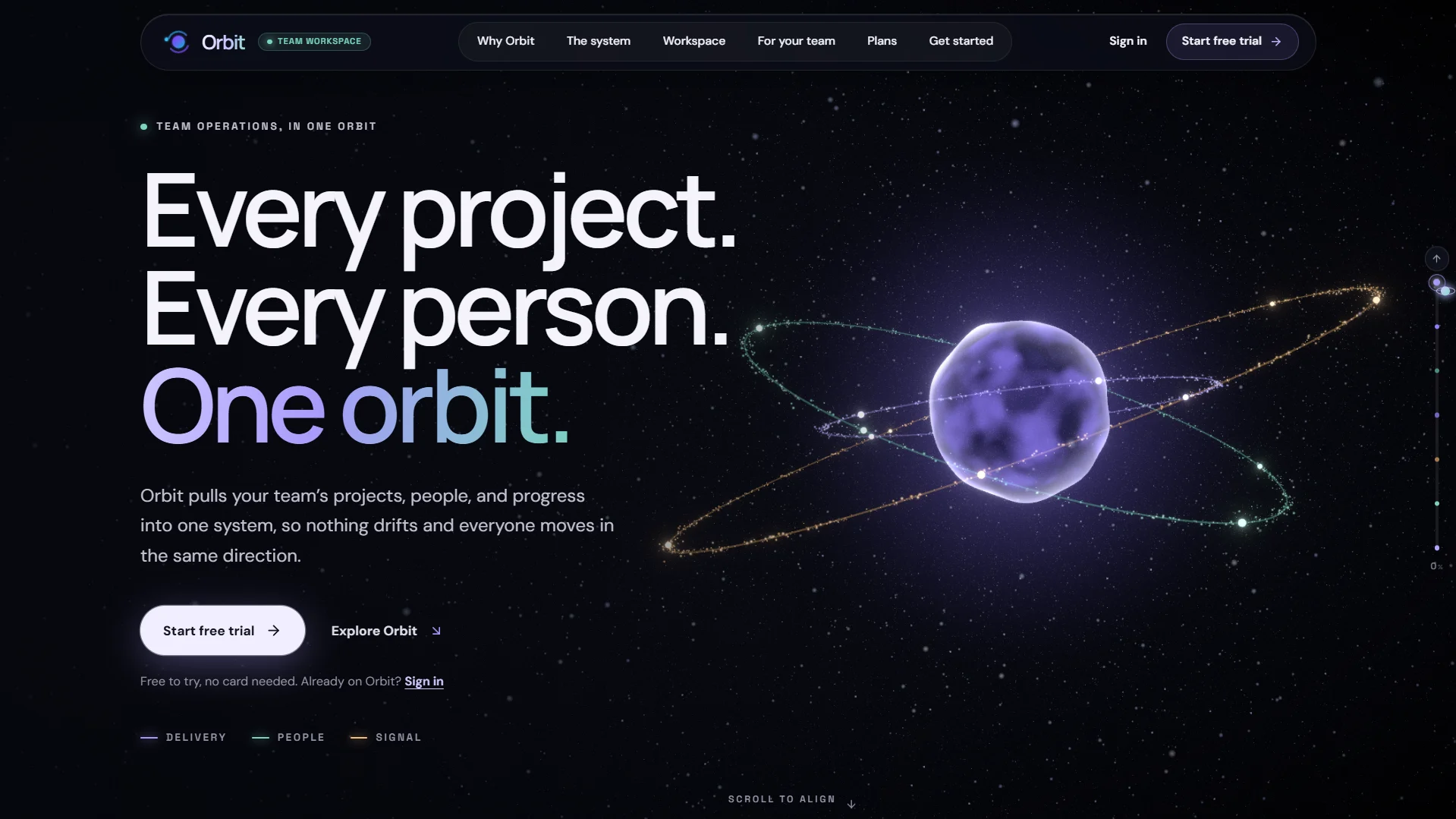
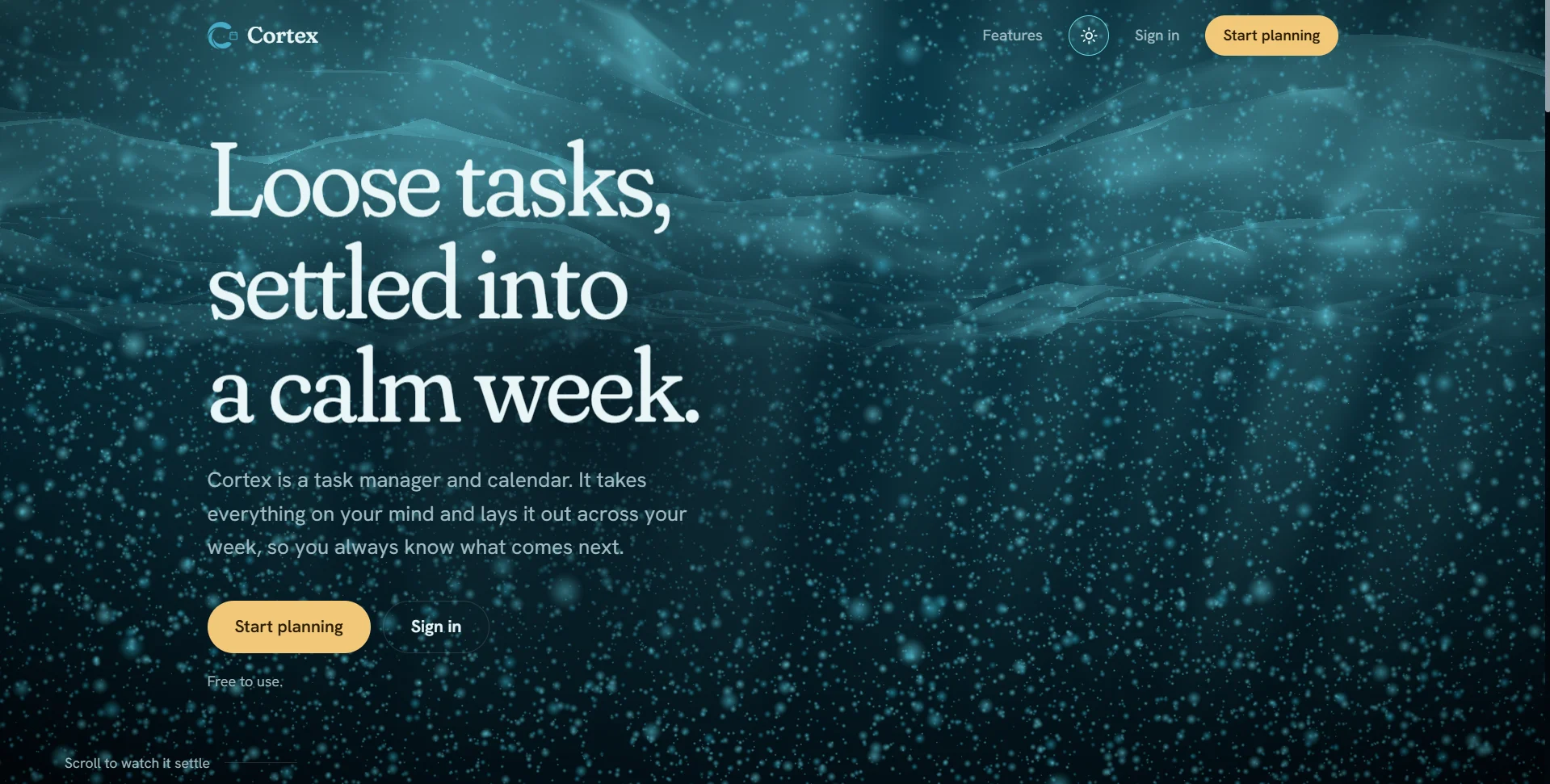
This is how we build web apps, internal systems and automation. See Orbit and Cortex for examples.
A good nearshore partner does not feel like a supplier. It feels like part of your team, one hour away.
Which projects fit best
Working together goes best with clearly defined projects and one responsible person on your side, for example:
- an internal tool that replaces Excel lists and email loops;
- a customer portal next to your existing ERP;
- automating repeated work between systems you already have;
- a web app for a new line of business that needs to be tested quickly.
Common worries
"Communication will be hard."
We work in English day to day, write documents and interfaces in German, and you have named contacts. A weekly meeting and a shared board are usually all it takes.
"Quality is hard to check."
That is why every milestone has acceptance criteria, there is a demo every week, and you have access to the code. You do not have to take anything on trust; you can see it.
"What if we want to switch later?"
Documented code in your repository, mainstream technology and a clean handover mean you are never locked in.
The first step
Send us a short brief in English or German. We reply within two working days with questions or a suggested call.